Material testing is an essential process used to determine the strength, durability, and composition of materials used in industrial and manufacturing applications. In Malaysia, companies rely on advanced material testing equipment and laboratory scientific instruments to maintain strict quality control standards. By using modern testing technologies, laboratories and manufacturers can ensure materials meet safety requirements and perform reliably in real-world conditions.
What is Material Testing and Why It Is Important
Material testing refers to the process of evaluating the physical, mechanical, and chemical properties of materials. Engineers and researchers perform these tests to determine whether materials are suitable for specific applications.
In Malaysia’s manufacturing and construction industries, material testing helps ensure products meet international standards and remain safe during use. Proper testing can prevent structural failures, improve product reliability, and reduce costly manufacturing defects.
Laboratories often rely on professional suppliers such as Obsnap Group, which provides laboratory scientific equipment and testing solutions for industrial and research applications.
Common Material Testing Methods Used in Malaysia
Several testing methods are used to evaluate different material properties depending on the application.
Mechanical Testing
Mechanical testing evaluates the strength and durability of materials by measuring properties such as tensile strength, hardness, and elasticity.
Chemical Composition Analysis
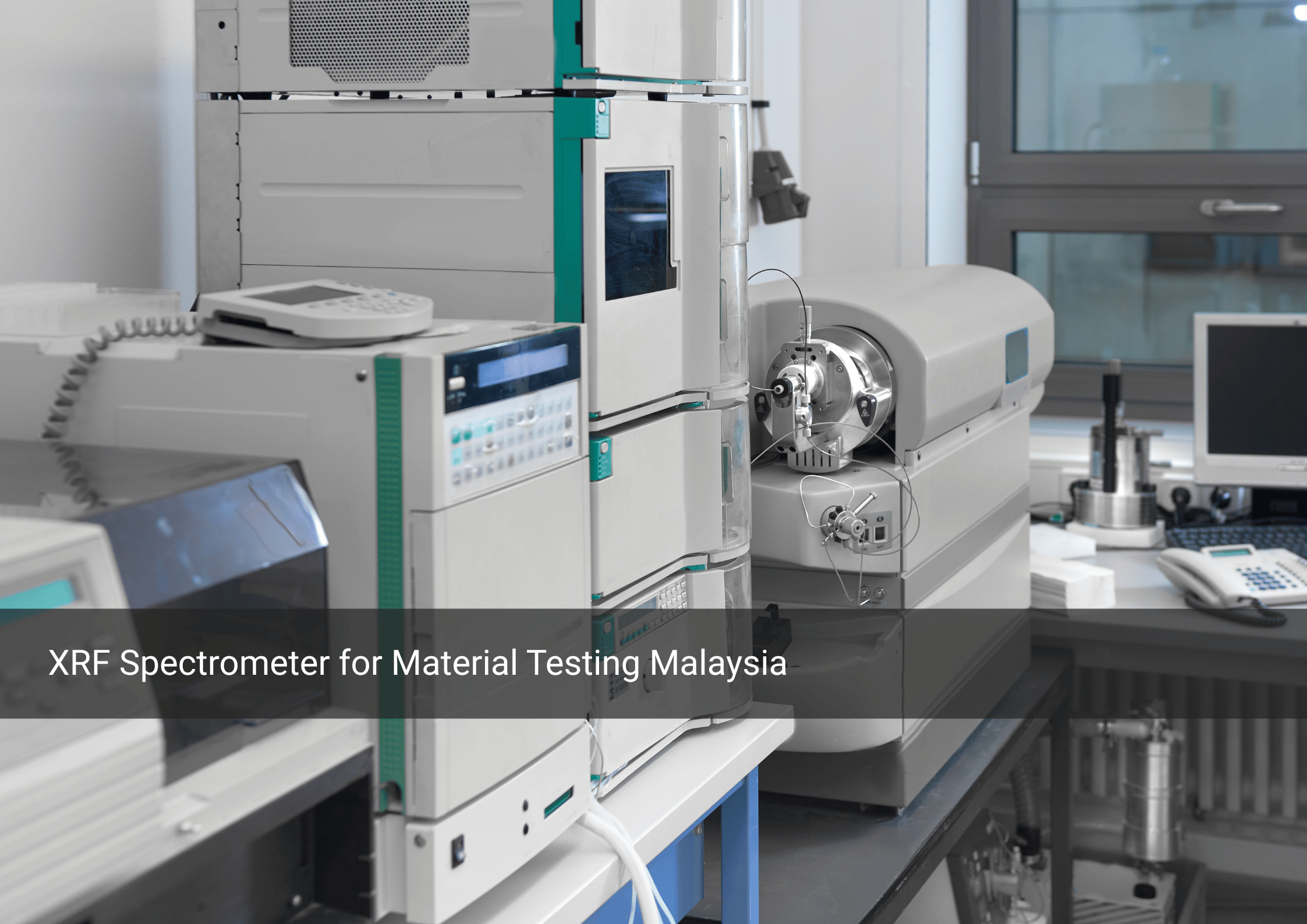
Chemical analysis helps determine the composition of metals, alloys, and other materials. Instruments such as X-ray fluorescence (XRF) spectrometers and optical emission spectrometers are commonly used for this purpose.
Companies such as JS Analytikal provide analytical instruments that support laboratories performing chemical composition analysis.
Environmental Testing
Environmental testing simulates real-world conditions to evaluate how materials respond to temperature changes, humidity, corrosion, and UV exposure.
Equipment like salt spray testing machines, temperature chambers, and accelerated weathering chambers are frequently used in laboratories. Supplier including Victor Material provide environmental testing solutions used in durability testing.
Laboratory Equipment Used for Material Testing
Modern laboratories rely on a wide range of scientific instruments to perform material testing efficiently. Some commonly used equipment includes:
- Temperature and humidity chambers for environmental simulations
- Thermal shock test chambers for durability testing
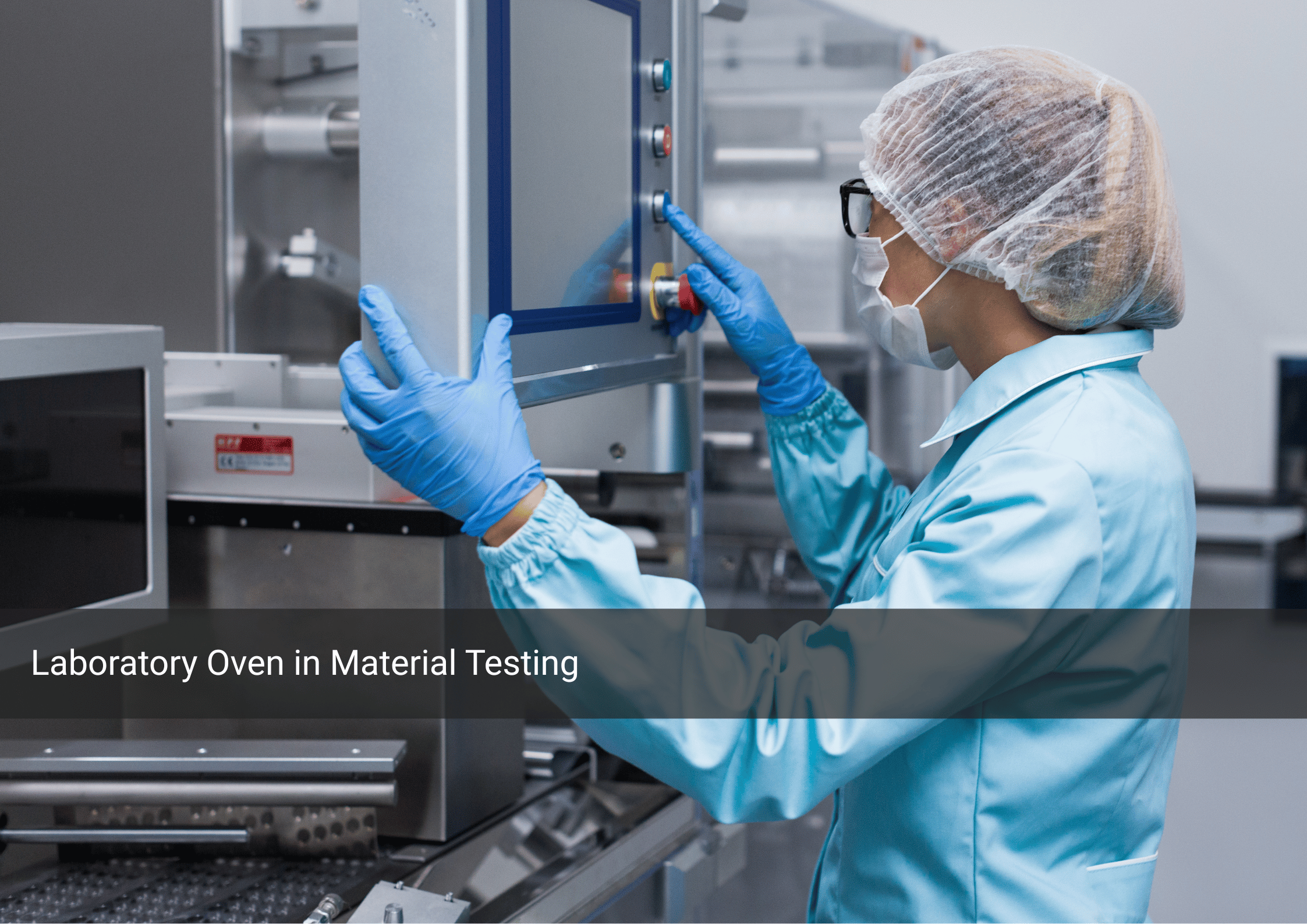
- Laboratory ovens and furnaces for heat treatment and thermal analysis
- Salt spray testing machines for corrosion testing
- Spectrometers for chemical analysis
Many laboratories in Malaysia obtain testing equipment from suppliers such as Obsnap Group, which offers laboratory scientific equipment used in testing, calibration, and industrial research applications.
Choosing Reliable Material Testing Equipment Suppliers
Selecting the right supplier is important for laboratories that depend on accurate and reliable testing results. When choosing equipment providers, industries often consider several factors:
- Quality and certification of testing equipment
- Availability of calibration and maintenance services
- Technical expertise and customer support
- Range of laboratory scientific instruments available
Conclusion
Material testing in Malaysia plays an important role in ensuring product safety, durability, and compliance with industry standards. Through advanced testing methods and laboratory scientific equipment, manufacturers can evaluate materials accurately and improve product quality.
With support from experienced equipment providers such as Obsnap Group and other scientific equipment specialists, Malaysian industries can continue strengthening research capabilities, quality control processes, and manufacturing performance.