
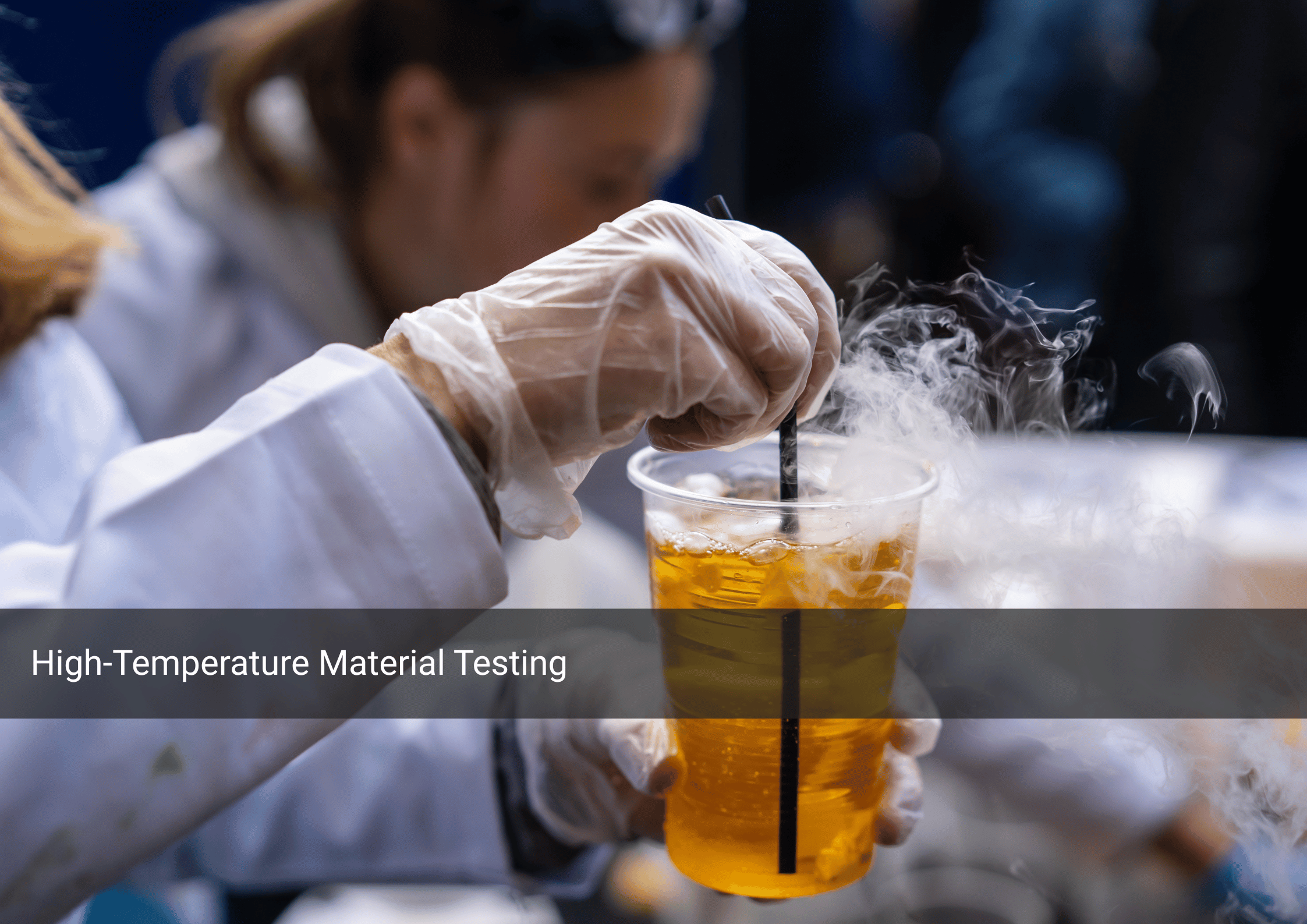
High-temperature testing is widely used in laboratories to evaluate how materials behave under extreme heat conditions. Many materials change their physical or chemical properties when exposed to high temperatures. Laboratory furnaces allow researchers to simulate these conditions and study thermal stability, structural changes, and material performance. In Malaysia, high-temperature testing is commonly used in research laboratories, manufacturing industries, and material testing facilities.
Role of High-Temperature Testing in Material Research
High-temperature testing allows researchers to observe how materials react to extreme heat. Materials may expand, melt, or undergo structural changes when exposed to elevated temperatures.
These tests help scientists evaluate thermal stability and determine whether materials are suitable for high-temperature applications.
Metallurgy and Ceramic Testing
Metallurgy and ceramic laboratories frequently perform high-temperature experiments to evaluate material properties. Heating materials allows researchers to analyze microstructure changes and thermal resistance.
These experiments are essential for developing materials used in high-temperature industrial environments.
Laboratory Analysis After Heat Treatment
After heating samples in laboratory furnaces, researchers analyze materials to evaluate performance characteristics such as strength, hardness, and structural integrity.
Testing laboratories may rely on suppliers such as Obsnap Group, which provide laboratory instruments used for material testing and research.
Chemical and Thermal Analysis
High-temperature testing may also be used for chemical analysis and sample preparation. Heating samples helps researchers analyze chemical reactions and material composition.
Analytical laboratories may also use systems supplied which provide laboratory instruments used for chemical and elemental analysis.
Importance of Accurate Temperature Control
Accurate temperature control is essential for reliable high-temperature testing results. Laboratory furnaces allow researchers to maintain precise heating conditions and repeat testing cycles consistently.
Reliable heating equipment helps laboratories produce consistent research results and improve material testing processes.
Conclusion
High-temperature material testing is essential for understanding how materials perform under extreme heat conditions. By using laboratory furnaces, researchers can study thermal stability, chemical reactions, and material durability.
With reliable laboratory heating equipment, laboratories in Malaysia can conduct advanced research and improve material testing procedures.